Nervous About Your First Fencing Class? Here's Exactly What Happens When You Walk Through Our Doors
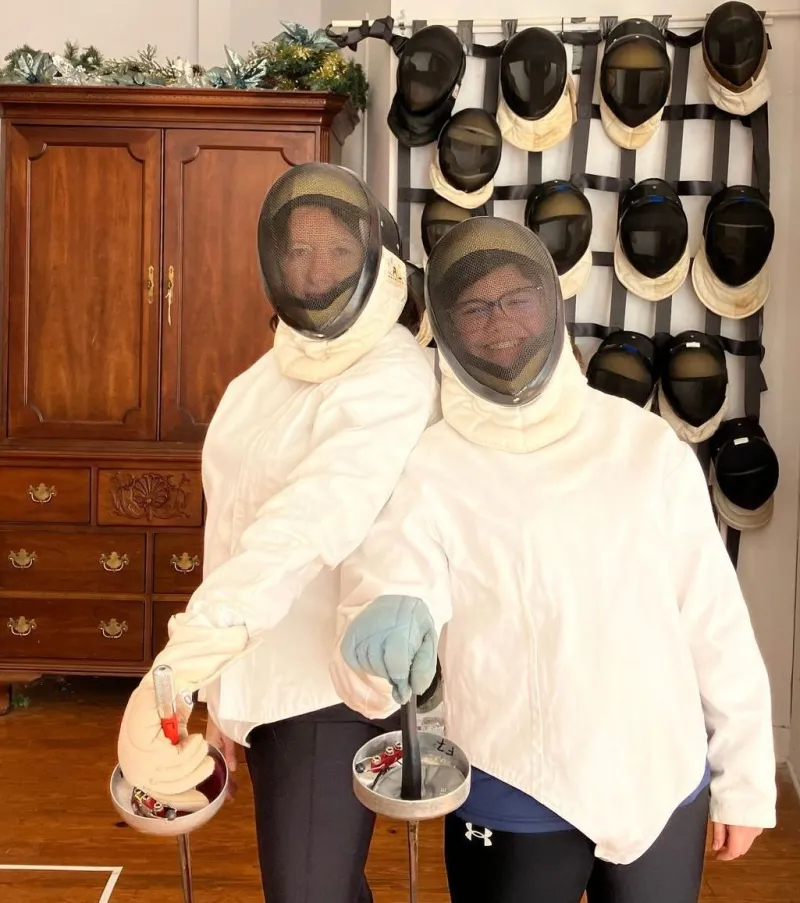
Photo: beginner fencing class putting on fencing mask and jacket, via lirp.cdn-website.com
Let's be honest: walking into a fencing club for the first time can feel a little intimidating. There are swords involved, after all. Maybe you've seen fencing in the Olympics and thought it looked cool but wildly complicated. Maybe your kid has been begging to try it since watching a movie montage. Either way, we get the nerves — and we hear the same questions every week at our Houston gym.
So instead of vague reassurances, here's a play-by-play of your very first class at Houston Fencing Alliance. No mysteries, no surprises (well, except how much fun it turns out to be).
Before You Even Arrive: What to Wear and Bring
Good news first: you don't need to buy anything. We provide all the fencing gear — jacket, mask, glove, and weapon — for every beginner.
What you do need is simple:
- Athletic clothes. Think t-shirt and comfortable pants — sweatpants, joggers, or athletic leggings. Jeans are a no; you need to lunge freely.
- Clean athletic shoes. Court shoes or cross-trainers work great. Please don't wear shoes you've been mowing the lawn in — our strips are shared space.
- A water bottle. Houston humidity doesn't take nights off, even indoors.
- An open mind and a decent sense of humor. You will feel a little clumsy at first. Everyone did. Even our coaches.
That's it. No equipment purchases, no uniforms, no commitment beyond one class.
The First Twenty Minutes: Meet, Greet, and Suit Up
When you arrive, one of our coaches or senior fencers will walk you through the space — the strips (that's the long metal court fencers compete on), the scoring equipment, and where everything lives. You'll meet the other beginners, who are almost universally just as nervous as you are. That shared awkwardness is real bonding fuel.
Then comes the fun part: gearing up. Your coach will help you put on the jacket, mask, and glove, and hand you a weapon — most beginners start with the foil, the lightest of the three fencing disciplines. Fair warning: the first time you put on a mask, your vision narrows to a mesh rectangle and your heart rate spikes a little. That's normal. It fades in about five minutes, replaced by something closer to excitement.
Footwork: Where Every Fencer Starts
Before anyone crosses blades, we start with footwork. Fencing is often described as physical chess, and your feet are the pieces that move.
You'll learn two core moves:
- The advance — a controlled step forward, back foot following the front.
- The retreat — the same thing in reverse.
Sounds basic? It is, and it isn't. You'll spend a good chunk of class drilling these, plus your first attempt at the lunge — the explosive attacking move you've probably seen in every fencing photo ever taken. Your legs will notice this workout tomorrow. Fencers have some of the strongest legs in amateur sports for a reason.
Bladework: On Guard, Extend, Touch
Next, we put the weapon to work. You'll learn the en garde stance — knees bent, blade up, the classic posture — and how to extend your arm for a straight attack. Your coach will teach you how to grip the weapon, how far your reach actually extends, and how to move the blade without telegraphing every intention.
Then, usually before the class is halfway over, you'll pair up with another beginner for your first practice bout. Coaches hover, correct, and encourage. Nobody gets hurt. Nobody gets embarrassed. The blades are flexible, blunted, and designed exactly for this.
Your First Touch: The Moment That Hooks People
Here's the thing we can't fully prepare you for: the first time your blade lands a valid touch and the scoring box lights up, something clicks. There's a beep, a colored light, and a tiny surge of adrenaline that people chase for years afterward.
Some beginners land their touch in the first hour. Some take a couple of classes. It genuinely doesn't matter — the learning curve in fencing is fast at the start, which is exactly why so many people who try one class come back for a second.
For Parents: What Your Kid's First Class Looks Like
If you're a parent sizing this up from the sideline, here's what to know. Our youth programs group kids by age and experience, keep the coach-to-student ratio low, and emphasize games and drills over lectures. Kids as young as seven can start. Fencing builds focus, discipline, and body control — and unlike most youth sports, size and strength matter far less than timing and tactics. Smaller kids routinely beat bigger ones, which does wonders for confidence.
You're welcome to watch the whole session. Bring a chair, grab a coffee, and see if your kid catches the bug. (Statistically, they might.)
After Class: What Comes Next
At the end of the session, we'll talk through next steps — beginner series options, open bouting nights, and how to get plugged into the club community. There's zero pressure to commit on the spot, but most people already know by then whether they want more.
Ready to Give It a Shot?
Every fencer you'll ever admire — Olympic champion or club veteran — started exactly where you are right now: slightly nervous, wearing gym clothes, holding a sword for the first time. The only difference between them and the people who never tried? They showed up.
Check our class schedule, pick a beginner session, and come see what all the buzz is about. En garde, Houston. Your first touch is waiting.