The First-Year Fencing Bill: What Houston Families Really Pay
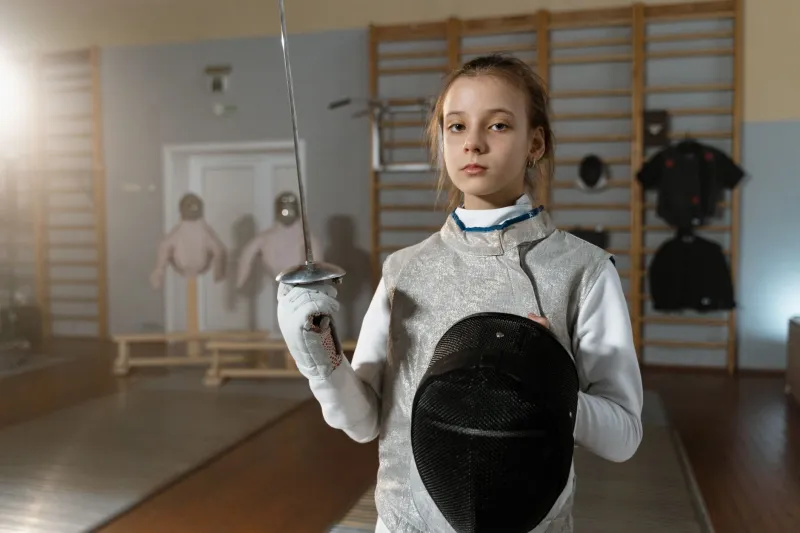
Your kid watched the Olympics, tried a foil at a birthday party, or came home from school talking about the new fencing club. Now you're doing what every Houston parent does: mentally running the numbers before you sign anything. Good instinct. Youth sports can get expensive fast, but fencing's first-year price tag is more manageable than most people expect—especially if you know which costs are fixed, which are flexible, and which can wait.
Here's an honest, Houston-specific breakdown of what families actually spend in year one. Ranges vary by club, age, and how tournament-hungry your child turns out to be, but this will give you a realistic map.
Start With the Intro: $0 to $250
Most clubs in Houston offer some kind of trial or beginner session before you commit to a full membership. That might be a free one-hour class, a four-week intro package, or a six-week starter course that includes loaner equipment. Expect to pay anywhere from nothing to roughly $225 for that first taste. The main thing to watch: does the intro fee include gear, or will you be handed a separate equipment list on day one? A good beginner program lends you a mask, jacket, and glove so your child can decide if they actually like the sport before you buy anything.
This is also the stage where you should ask about class size and coach-to-student ratio. A slightly pricier intro with eight kids and two coaches is usually a better value than a cheap session with twenty kids and one coach who's mostly doing crowd control.
Club Membership: The Biggest Line Item ($1,200–$2,800)
Monthly dues at Houston-area clubs generally land between $100 and $235 for youth group classes. That's your core cost, and it's where most of the year-one budget goes. Some clubs charge a separate annual registration or facility fee ($50–$150), and some bundle everything into one monthly number.
Private lessons are the big variable. They typically run $25 to $50 for a 20- to 30-minute session, and they are not mandatory in the first six months. Plenty of kids improve just fine on group classes alone early on. If your child gets serious about competing, private lessons become more useful—but you can phase them in rather than stacking them on top of dues from week one.
Ask whether the club offers month-to-month memberships or pushes annual contracts. A flexible plan is worth a few extra dollars when you're still figuring out whether your kid will stick with it.
Starter Gear: Rent First, Buy Smart ($150–$500)
Here's the good news: beginner fencing gear is not as costly as hockey or competitive gymnastics. The catch is that cheap gear is cheap for a reason—especially masks. Do not buy a no-name mask online to save $30. Buy from a reputable vendor or through your club.
A realistic first set looks like this: mask ($60–$120), jacket ($80–$150), glove ($20–$40), chest protector ($30–$50), and a weapon ($40–$100). That's roughly $230 to $460 new, though many clubs rent or lend beginner sets for the first few months. Ask about loaner gear before you buy. When you do purchase, check whether your club hosts a gear swap or has members selling outgrown equipment. Houston's fencing community is small enough that gently used youth gear circulates regularly.
If you have to prioritize, spend on the mask first. Everything else can be basic.
Tournament Entry and Travel: The Variable ($200–$900)
Local tournaments are the affordable entry point. Entry fees for youth events in the Houston area usually run $30 to $60. You'll also need a USA Fencing membership if your child competes—typically around $75 to $100 for the year, depending on membership type. Add gas and parking, and a local event day might cost $80 to $120 all in.
Travel is where budgets can balloon. Texas is big, and youth fencing tournaments often mean drives to Dallas, Austin, or San Antonio. A weekend trip with a hotel, meals, and entry fees can easily hit $300 to $600. Here's the honest advice: you do not need to travel in year one. Pick two or three local events, treat them as learning experiences, and save the road trips for when your child has a season under their belt.
The Small Extras That Add Up ($100–$300)
Fencing bags, extra blades, shoes, tournament photos, club fundraisers, and the gas spent driving across Houston's sprawl all count. None of these are huge on their own, but they add up. You can skip a dedicated fencing bag for a while—a sturdy duffel works. Fencing shoes are nice but not necessary for beginners; supportive athletic shoes are fine at first.
Where Houston Families Can Save
A few practical levers make a real difference. Ask about sibling discounts if you have more than one child interested. Some clubs offer work-study or volunteer credit for families. Carpooling with other parents from your side of town is both social and smart—Houston traffic makes shared rides worth more than the gas money. Buy used gear through your club, skip private lessons until group classes stop being enough, and choose local tournaments over travel events in the first year.
Also, compare at least two clubs before committing. Pricing structures vary, and so does what's included.
How to Tell If a Club's Pricing Is Reasonable
Transparency matters more than the sticker price. A fair club gives you a clear fee schedule, explains what gear is included in beginner programs, doesn't lock you into a long contract on day one, and can describe a realistic path from intro class to first tournament. If a club is vague about costs or pressures you to buy a full equipment package before your child has taken a single class, slow down. The cheapest option isn't always the best value if safety, coaching quality, or communication are weak.
The Bottom Line
A typical first year of youth fencing in Houston lands somewhere between $1,500 and $3,500, depending on dues, gear choices, and how many tournaments you attend. You can absolutely keep it closer to $1,200 to $1,500 by using loaner gear, sticking to group classes, and staying local. That's not pocket change, but it's also not the scary number some parents imagine. Fencing rewards patience, and so does fencing budgeting. Start small, ask questions, and let the sport earn the bigger checks.