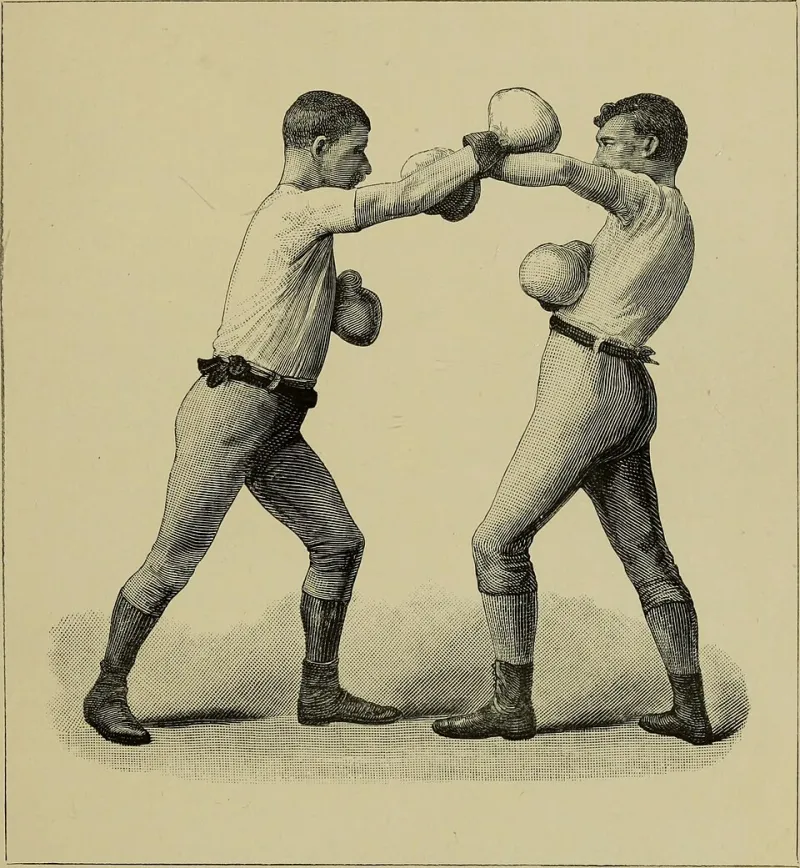
Traffic Into Tempo: A Houston Fencer's Pre-Class Car Routine
Photo: Shixart1985, CC BY 2.0, via Wikimedia Commons
Thursday evening. You leave the office at 5:40, the ramp onto the Loop is a parking lot, and your 6:30 class starts in a strip mall forty minutes away on a good day. You arrive with ninety seconds to change, one shoe on, rehearsing your apology to the coach.
Everyone in Houston knows this feeling. What almost nobody does is use the drive deliberately.
You are not going to fix traffic. But the twenty minutes before you walk through the door are yours, and they can either add to the day's mental load or quietly pay it down. Here's a routine built for the car, the bus, and everything in between.
Why the Drive Wins Before You Do
Fencing is a nervous-system sport. Reaction time, point control, and the fine judgment that separates a clean parry from a desperate one all live downstream of whether you're calm, hydrated, and warm.
Arrive rushed and you spend the first fifteen minutes of class catching up — gripping too hard, lunging too long, breathing like you're still arguing with a merge lane. Arrive settled and that same class starts at your actual level.
The Twenty-Minute Framework
Split your commute into four five-minute blocks, in order. If your drive is longer, stretch each block. If it's shorter, cut to three blocks: land the day, hydrate, rehearse.
Minutes 0–4: Land the Workday
Before you touch anything else, put the day down. Phone on do-not-disturb, podcast off if it's the kind that winds you up, and one deliberate reset: three slow breaths out through the mouth, longer than the inhale.
Then name the one thing you want out of class. Not five things. One. "Clean footwork under fatigue." "Ask the coach about my parry four." "Fence the lefty in the second rotation." A single target beats a vague intention every time.
Minutes 5–9: Hydrate and Fuel Small
Houston heat doesn't quit in October, and the salle runs warm. Most fencers show up already behind on fluids and try to fix it with a bottle chugged during the warm-up, which mostly just makes them slosh.
- Sip steadily through this block instead of gulping.
- A small, easy carbohydrate — half a banana, a handful of crackers, a few dates — is plenty. You're not fueling a marathon, you're topping off before ninety minutes of work.
- Skip the big coffee on the way in if caffeine makes your hands jumpy. Save it for the drive home if you need it.
Minutes 10–14: Mobility Without Becoming a Traffic Hazard
This is the block to be sensible about. Stretch at red lights, in the parking garage, or after you've parked — not while the car is moving.
At a full stop, run through three quick items that pay off on the strip:
- Ankle circles, six each direction per foot. Your lunge lives and dies on ankle mobility.
- Shoulder rolls and a slow cross-body arm swing to loosen the weapon-arm side.
- A gentle seated torso twist each way to unknot the desk posture before you ask your hips to do something athletic.
Parked with five minutes to spare? Get the hips moving: ten bodyweight squats, ten alternating reverse lunges, and a slow inchworm down the length of a couple of parking spaces. You'll walk in already half warm, which is worth more than any pre-class stretch you'd do standing awkwardly by the equipment rack.
Minutes 15–19: Mental Rehearsal
Now the useful part. Visualize at a low, practical level rather than big heroic highlights.
Picture the specific sequence you'll actually execute: the guard position at the line, the first advance, the timing of the parry-riposte you've been drilling. Two or three repetitions in your head is enough. You're not manifesting anything; you're pre-loading a pattern so your body recognizes it faster.
Then let it go. Silence or music for the last couple of minutes. Arriving with a quiet head is the whole point.
The Bus and Rail Version
If you're on METRORail or a bus, the routine gets easier, because you're not holding a steering wheel.
Use the first stop to put the phone away and take the same three breaths. Sip water at the second. Stand when you can — a couple of ankle circles at the door, one long hold of the overhead bar to open the shoulder. Then run the mental rehearsal with your eyes closed, or half-closed if you'd rather not become the person sleeping through their stop.
The bonus on transit: you can do a genuinely good slow neck and shoulder release without being a hazard to anyone. Use it.
What to Skip
- The phone scroll. Ten minutes of news and notifications right before a bout is the single most reliable way to arrive scattered. It'll still be there afterward.
- The last-minute errand. Gas, groceries, a coffee run — these things eat the block structure faster than traffic does. Move them to after class or the morning.
- The mental audit of everything you did wrong last week. Rehearsal means the good rep, not the highlight reel of your mistakes.
Arriving Ready
The fencers who seem to be instantly present the moment the coach says "warm-up" aren't built differently. Most of them just found a way to make the drive count.
You can't do anything about the backup at the interchange. You can absolutely do something about the person who walks in the door.
See you on the strip.