The Piste Is Sweaty. Your Bag Doesn't Have to Be.
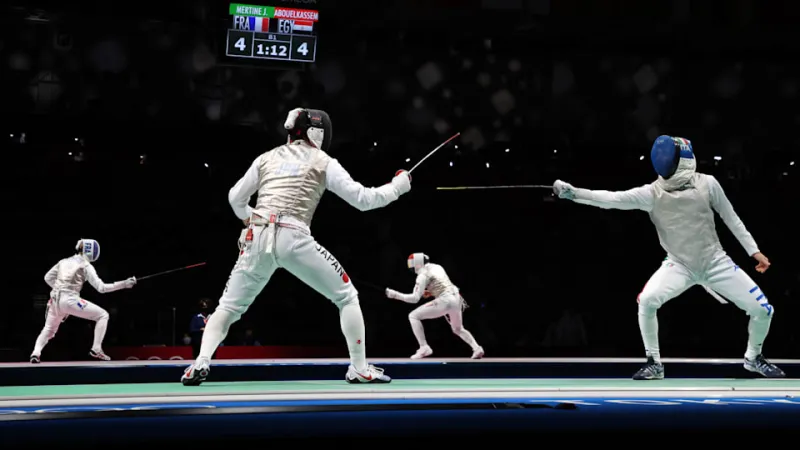
Photo: fencing gear bag mask glove jacket drying rack equipment, via img.olympics.com
Fencing in Houston has a way of making gear honesty unavoidable. You finish a lesson near the Heights or a practice out toward Katy, step into air that feels like a warm towel, and realize your jacket, glove, and mask have been collecting every ounce of effort. Zip that stuff into a bag and leave it in the garage? By morning, your equipment has its own ecosystem.
The good news is that gear care does not require a lab coat or a weekend project. A little air, a little attention, and a few smart habits will keep your mask safer, your glove less fragrant, and your blades readier for the 2026 season. Think of it as basic piste hygiene, not a hobby.
First Rule: Air Beats Everything
The single best thing you can do for fencing gear is let it breathe. When practice ends, do not cram everything into the bag and call it a night. Open the bag wide, pull out the jacket, and hang it somewhere with moving air. A sturdy hanger in front of a fan works. A drying rack in a spare room works. A hook in the garage can work if the garage is not a steam room.
What does not work is the trunk of your car. Houston parking lots can turn a trunk into a low-grade oven, and a damp glove left in that heat is a smell you will not forget. Treat your car as transport, not storage. The same goes for your bag: if you would not leave a sandwich in there, do not leave a sweaty fencing uniform in there either.
The Mask: Treat It Like a Helmet, Not a Laundry Pile
Your mask takes the most direct hit from sweat, breath, and whatever else a hard bout produces. After practice, wipe the inside with a clean cloth or a wipe that is safe for the padding and lining. Do not dunk the whole mask in a bucket and hope for the best. Check the manufacturer's guidance for anything stronger than mild soap and water.
Then let it dry fully with the mask open to the air. If the padding stays damp, it will get funky fast. While you are at it, look at the mesh, the tongue, the rivets, and the straps. A mask is safety equipment, not a fashion accessory. If the mesh is dented, the tongue is cracked, or the fit feels wrong, ask your club's armorer or coach before you fence again. Cleaning is cheap. Replacing a compromised mask is cheaper than ignoring one.
Gloves and Jackets: Wash Less Often, Dry More Often
Fencing gloves are basically sweat sponges with fingers. Many fencers keep two and rotate them, which gives each glove time to dry between practices. Wash gloves by hand with mild soap, rinse well, and air dry away from direct heat. Do not toss them in a hot dryer unless the label specifically says so. Heat can shrink leather, warp seams, and shorten the life of the glove.
Jackets need less frequent washing, but they do need attention. Read the label first. Some uniforms tolerate a gentle cycle; others are spot-clean only. Skip fabric softener, which can coat technical fabrics and reduce their performance. Air drying is almost always the safer call in Gulf Coast humidity. If you hang a jacket outside, bring it in before the afternoon storm rolls through. Houston weather does not send advance invitations.
And please: do not share a glove or jacket as a casual favor. Sweat, skin bacteria, and ringworm do not need a club membership. Your gear should be yours.
Blades: Dry Steel Is Happy Steel
Blades do not need a spa day, but they do need to be wiped down after practice. Sweat and humidity are a rough combination for steel. A quick pass with a dry cloth on the blade, guard, and grip area helps. If your club recommends a light protective wipe or oil for certain parts, follow that advice exactly. Do not improvise with mystery products, especially around electric tips and wires.
Store blades so they are not bent or crushed in the bottom of the bag. A blade bag or a dedicated sleeve keeps them organized and keeps wet gear away from steel. Before each practice, glance at the tip, the wire, and the overall condition. If something looks loose, frayed, or rusted, flag it for your armorer. Tournament day is a bad time to discover that your weapon has been quietly falling apart in the trunk since Tuesday.
The Bag Itself Is Part of the Problem
A fencing bag is not a sealed vault. It is a small, dark, humid room if you treat it like one. Empty it after practice. Wipe out the bottom. Leave it open to air. If your bag has mesh panels, use them. If it does not, a few minutes with the zipper wide open and a fan nearby can make a real difference.
A separate wet bag for sweaty gear is a small investment with a big payoff. Toss a clean towel and a couple of moisture-absorbing packets into the main compartment, and do not leave old snack wrappers or half-empty water bottles rolling around in there. The smell in a fencing bag is not a badge of honor. It is a sign that something needs air.
Tournament Day in Gulf Coast Weather
Traveling with gear in Houston means planning for heat, rain, and air conditioning that may be doing all three at once. Pack dry gear, not gear that came out of the wash ten minutes before you left. Bring a plastic bag or a wet bag for anything that gets soaked at the venue. Keep spare socks, a spare glove if you have one, and a towel in the car or in your bag. If there is a chance of rain between the parking lot and the door, a simple rain cover or even a large trash bag can save your jacket from a surprise soaking.
At the tournament, do not leave your bag in a hot car between events. Bring it inside, find a spot where it is not blocking traffic, and open it up when you can. After the last bout, resist the urge to zip everything away wet and deal with it later. A few minutes of drying before the drive home can save you a week of regret.
A Five-Minute Post-Practice Routine
Here is the whole thing in one breath: empty the bag, hang the jacket, wipe the mask, pull out the glove, dry the blades, and leave the bag open. That is it. Once a week, do a slightly deeper check: look at seams, straps, glove holes, jacket zippers, blade wires, and mask padding. It is not glamorous, but it is the kind of routine that keeps beginners from replacing gear every few months and keeps experienced fencers tournament-ready.
Houston is hard on fencing equipment. The humidity does not care about your schedule, and the rain does not check with your car. But your gear does not have to smell like a forgotten gym locker. Give it air, give it a little attention, and it will give you safer practices and fewer unpleasant surprises on the piste.