Which Blade Fits Your Brain? A Houston Beginner's Guide to Foil, Épée, and Saber
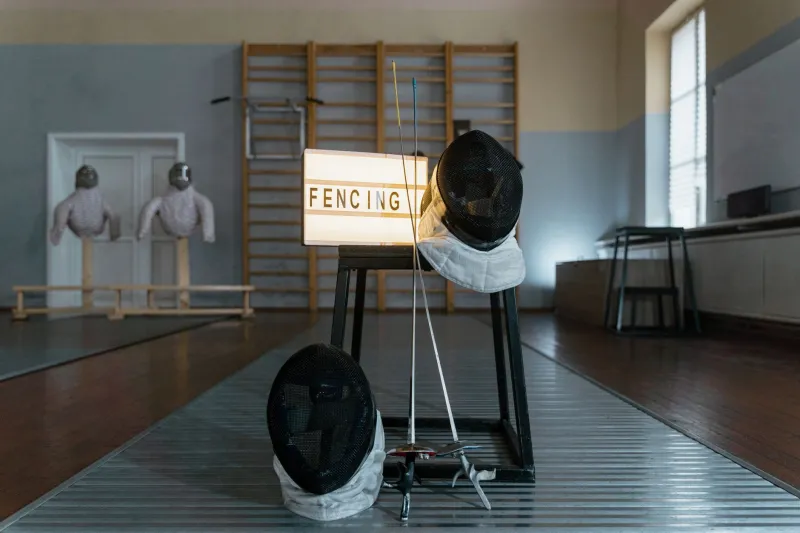
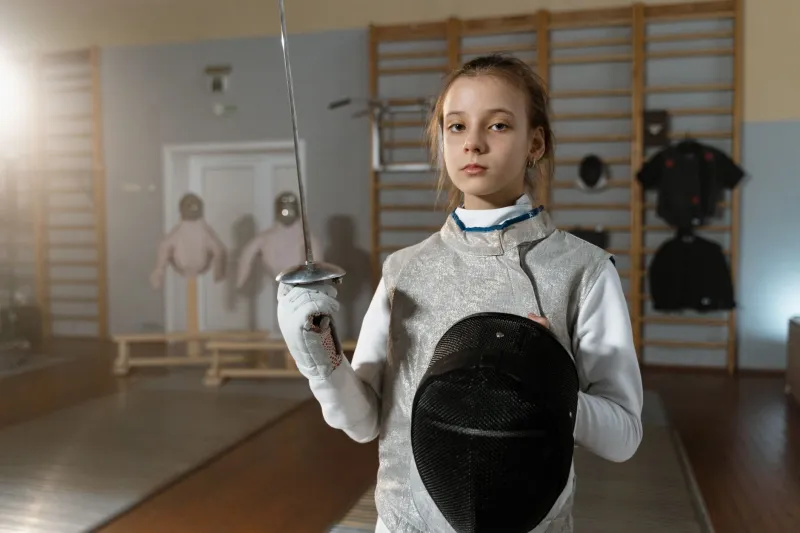
Walk into any Houston fencing club on a weeknight and you will see three very different conversations happening at once. On one strip, two fencers trade quick, tidy phrases with their blades. On another, someone is standing almost still, watching, waiting, then exploding forward. Across the room, a pair is moving like they are late for dinner—fast, loud, and never quite where they were a second ago. Same sport, same gym, three completely different moods. That is foil, épée, and saber.
For a beginner, the weapon choice can feel like a test you did not study for. The good news: you do not have to get it right on day one. In most Houston clubs, new fencers rotate through all three weapons before anyone starts talking about specialization. The better question is not "Which one is best?" but "Which one fits the way I like to solve problems?"
Foil: The Classroom Blade
Foil is often the first weapon people meet, and for good reason. The target area is the torso—front and back—and the rules favor clean, structured attacks. There is a priority system, which means the referee is not just watching who lights up the machine; they are tracking who started the action and who answered it. That sounds academic, but in practice it teaches timing, distance, and patience in a hurry.
Foil tends to suit fencers who like a little order with their speed. If you enjoy learning rules well enough to bend them, foil is a friendly home. It is also a strong choice for younger beginners because the equipment is lighter and the tactical lessons are clear. A Houston parent watching a foil bout for the first time often says some version of, "Wait, so the point did not count because of what happened before?" Exactly. Foil asks you to think in sentences, not just syllables.
Épée: The Patience Test
Épée is the weapon for people who like a long game. The entire body is target, there is no priority system, and if both fencers hit within a fraction of a second, both get a point. That one rule changes everything. Suddenly, a fencer who is trailing can lunge into a risky counterattack and come away even. A fencer who is leading cannot simply protect a lead by controlling the phrase; they have to avoid getting touched.
In Houston club life, épée bouts often look quieter from a distance. There is more bouncing, more measuring, more standing at the line and thinking. Newcomers sometimes find that frustrating for a week and addictive by the second. Épée rewards patience, observation, and a certain comfort with ambiguity. If you are the kind of person who likes to figure out a puzzle before touching it, épée may click fast. It is also a popular choice for adults who come to fencing from other sports and want a direct, one-touch-at-a-time challenge.
Saber: The Fast Lane
Saber is the loud one. The target is everything above the waist—head, arms, torso—and the action is built for speed. Right-of-way rules apply, much like foil, but the pace is different. Saber fencers attack in quick bursts, and the phrase can be over before a spectator has finished blinking. It is athletic, expressive, and a lot of fun to watch.
Saber tends to appeal to fencers who like to move first and sort out the details later. Kids who play fast-paced team sports often take to it immediately. Adults who miss the intensity of a hard workout may find saber scratches the same itch. The trade-off is that saber rewards explosive footwork and fast decisions, so beginners can feel like they are drinking from a fire hose for the first few weeks. That is normal. Saber is not harder than the other weapons; it is just less patient with hesitation.
What It Actually Costs to Start
Houston families ask about cost early, and that is smart. The honest answer is that no beginner needs to buy a full personal kit before trying the sport. Most clubs, including ours, have loaner gear for introductory classes. That lets you learn the difference between a foil glove and a saber glove without turning your garage into a fencing closet.
When you do decide to buy, expect the saber and foil starter sets to land in a similar range, with épée often a little higher because the weapon itself is heavier and the bell guard is larger. A basic beginner package—weapon, mask, glove, jacket, and plastron—typically runs a few hundred dollars depending on brand and fit. Saber and foil also require a lamé, the conductive jacket that registers touches, while épée does not. That is one reason épée can look cheaper on paper until you price the weapon itself.
Club fees, class schedules, and travel to tournaments matter more than the blade in the long run. A weapon you love but cannot train with consistently is not a bargain. A weapon that fits your Tuesday nights and your budget is.
Try Before You Commit
A good beginner program lets you cycle through all three weapons over several weeks. Pay attention to how you feel after each session, not just whether you won. Did foil feel like a conversation you understood? Did épée feel too slow, or did it feel like the first time you actually had room to think? Did saber leave you grinning even when you lost?
In Houston, where a drive across town can eat a chunk of your evening, schedule fit is a real factor. Ask which weapons are taught on which nights and whether the club has loaner gear in your size. Ask how often beginners get supervised strip time versus group drills. Those answers will tell you more about your first year than any online weapon comparison.
Ask Your Coach at the One-Month Mark
After about four weeks, you will have enough experience to ask better questions. Three worth asking: Which weapon do I naturally reach for when I am tired? Which one do I understand best when the coach explains a phrase? And which one fits my goals for the next six months—recreation, fitness, competition, or something else?
A coach may see something you do not. A fencer who looks hesitant in foil drills may be a natural épéeist. A quiet beginner may come alive in saber. The point is not to lock in forever. Plenty of fencers switch weapons after a year, and some compete in more than one. The first choice is a starting point, not a lifetime contract.
Matching Blade to Life
Broadly speaking, foil is a strong fit for structured learners and younger beginners. Épée suits patient problem-solvers and adults who like a measured challenge. Saber rewards fast-twitch athletes and anyone who wants a workout that feels like a sprint. But those are tendencies, not rules. The best weapon is the one that makes you want to come back next week.
Houston's fencing community is small enough that you will see the same faces across weapons, and large enough that you can find a good coach for whichever blade you choose. Try all three. Borrow the gear. Ask the questions. The strip will tell you the rest.