Your Best Move Is Silence: A Houston Parent's Playbook for the First Tournament
Photo: parent watching fencing tournament from sideline gym, via i.ebayimg.com
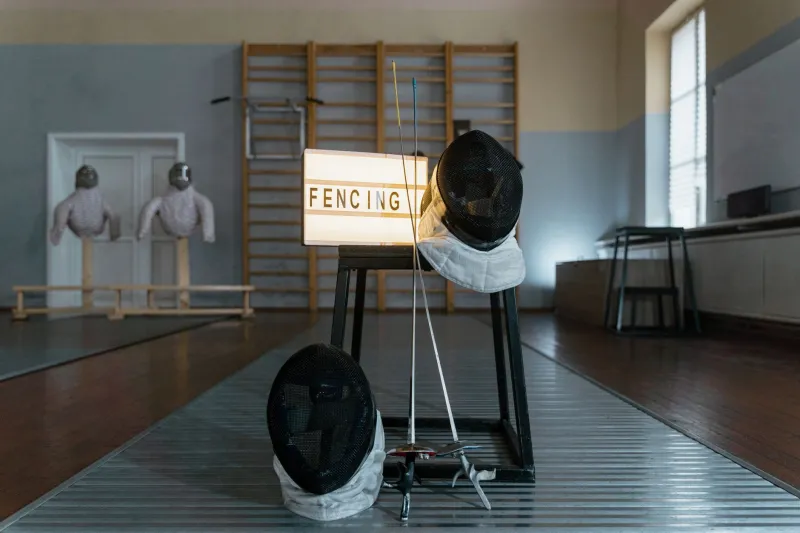
The first thing you notice at a fencing tournament is not the blades. It is the quiet. Sure, there are referee calls, squeaking shoes, and the occasional burst of applause, but compared with a soccer field or a basketball gym, a fencing hall sounds almost library-like. For a Houston parent used to hollering from the sideline, that silence can feel strange. It can also be the best gift you give your athlete.
Fencing is fast, tactical, and occasionally impossible to follow from the folding chair. That is normal. You do not need to become an expert by the second bout. You do need to understand a few basics so you can cheer at the right moments, stay out of the way, and keep the day positive — especially when the score is not going your way.
First, Learn the Shape of the Day
A typical tournament starts with pool rounds. Small groups of fencers compete in short bouts, usually to five touches or until a three-minute clock runs out. After pools, fencers are seeded into direct-elimination rounds, where bouts go to fifteen touches and the stakes rise. In Houston, tournaments can run from a morning into the afternoon, so pack for a long day: water, snacks, a phone charger, and something quiet to do between bouts.
The strip — the long, narrow playing area — is the stage. Stay behind the boundary lines and out of the referee's sightlines. When your athlete is fencing, find a spot where you can see without crowding the strip. When they are not, give them space. Tournament days are social, but they are also mentally tiring. A calm corner and a granola bar can do more than a pep talk.
The Scoreboard Is Only Part of the Story
The score tells you who has more touches. It does not always tell you why. In foil and saber, priority — often called right-of-way — decides who gets the touch when both fencers light up the machine. In épée, there is no priority; both lights mean both fencers scored. If the score is tied when time expires, priority can determine the winner in foil and saber. That little indicator on the scoring box is worth glancing at, but do not panic if you cannot decode it immediately.
What should you watch? Body language. Watch how your athlete resets after a touch. Watch whether they are breathing, adjusting distance, or listening to their coach. Fencing rewards problem-solving, and the fencer who looks calm after a tough point is often the one who is still in the bout.
Cheer After the Touch, Not During It
Here is the rule that surprises many new parents: you cannot coach from the sideline. Fencing has strict rules about communication during a bout, and shouting instructions can distract your athlete or create a problem with the referee. Save the technical advice for practice. During the bout, your job is simple: clap, smile, and stay composed.
Cheer after a touch ends, not while the action is live. Keep it positive and short. "Nice touch!" works. So does a thumbs-up. Avoid yelling at the referee, the opponent, or the opponent's family. Fencing is a small community, especially in Houston, and today's opponent may be tomorrow's practice partner.
The Referee Is Not Background Noise
The referee — sometimes called the director or president of the bout — controls the strip. They start the action, award touches, halt play, and manage safety. Their calls may seem mysterious at first, but they are not optional background music. If you disagree with a call, do not argue from the sidelines. That is the athlete's job, through the proper channels, and often with a coach's help.
Parents who model respect for the referee make the day easier for everyone. That includes the referee, who is often a volunteer or a young official learning the job. Houston Fencing Alliance wants families to feel welcome at tournaments, and the fastest way to do that is to treat officials like people doing a difficult job in public.
Between Bouts Is Your Real Window
You are not the coach. You are the parent. That is a good thing. Between bouts, skip the tactical quiz. Instead, ask something open: "What did you notice out there?" Or say, "I liked how you kept moving." If your athlete wants to talk strategy, listen. If they want quiet, give them quiet. Make sure they drink water and eat something. Tournament days are long, and blood sugar matters as much as footwork.
Read the Room, Not Just the Strip
At the end of the day, your athlete will remember how the tournament felt. They will remember whether you were calm, whether you trusted their coach, and whether the car ride home was supportive. They may not remember every touch. That is okay. Fencing is a sport of small adjustments, and so is parenting at a tournament.
So bring the snacks, find a seat with a view, and practice the quiet cheer. In a gym full of flashing lights and quick blades, your steady presence is the loudest thing your fencer actually needs.