Mark Your Calendar: A Beginner's Map to Houston's 2026 Fencing Season
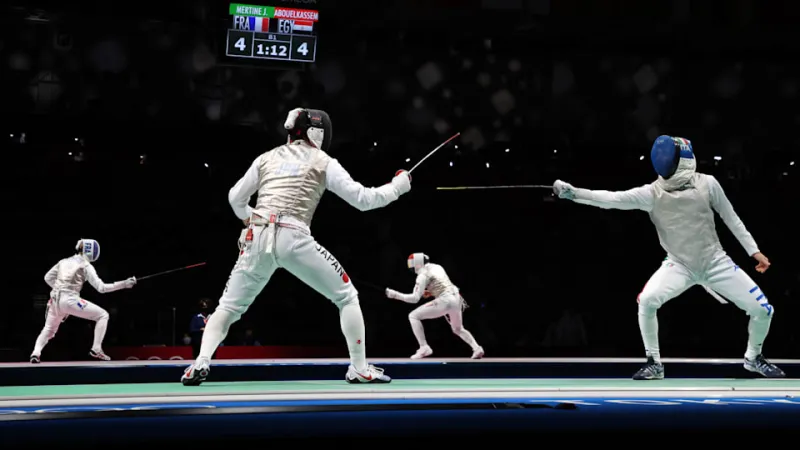
Photo: fencing tournament gymnasium spectators bleachers, via thumbs.dreamstime.com
The toughest part of a first fencing season is not the fencing. It is figuring out which of the forty things on the calendar you are actually supposed to show up to.
So here is the map. Dates shift year to year and clubs finalize their schedules at different times, so treat this as a season shape rather than a set of stone tablets — then confirm specifics on individual club calendars before you load the car.
How the Season Actually Breaks Down
The fencing year has three rhythms in Houston. Winter and early spring is when clubs recruit, running open houses and beginner sessions for people whose New Year's resolution survived January. Late spring through summer is the indoor stretch, when tournaments move into air-conditioned gyms and outdoor sports melt. Fall is the busy competitive season, when school-based programs, club tournaments, and regional events all stack up.
Winter and Early Spring: The Try-It Window
January through March is open-house territory. Clubs across the metro — the Heights, Katy, Sugar Land, Clear Lake — run free or low-cost intro sessions where you can put on a mask, hold a blade, and discover that a fencing mask smells exactly like a fencing mask.
This is also the best window for adults who have never fenced. Beginner cohorts start fresh, nobody has a head start, and the coach is expecting people who do not know what en-garde means.
One logistics note: the Houston Livestock Show and Rodeo typically takes over NRG Park for most of March, which means hotel rooms get tight and traffic around the South Loop gets creative. If an event lands in that window, book early or plan to stay on your side of town.
Late Spring and Summer: The Air-Conditioned Season
From roughly May through September, Houston fencing lives indoors and mostly in the morning. Club tournaments, summer camps, and beginner-friendly in-house events fill this stretch.
For spectators, summer is genuinely pleasant — you sit in a gym at 72 degrees while the parking lot outside reads 103. For competitors, it is a hydration problem. Bring more water than you think, add electrolytes, and do not warm up in the parking lot at 2 p.m. in August. Every Houston fencer learns this once, painfully, and then never again.
Summer is also the best time for a family to try fencing as a trial, because camps compress the learning curve into a week and your kid finds out whether they actually like it before you buy a full bag of gear.
Fall: The Real Competitive Stretch
September through November is when the local tournament calendar fills in. Beginner divisions, youth events, and mixed open events appear on club schedules across the metro. School schedules matter here too — most Houston-area districts are back in session by mid-August, so weekend events become the default.
If your goal is a first tournament, aim for October or early November. You will have had a few months of classes, the weather has broken, and the novice fields are usually healthy.
Spectator or Competitor? They Are Different Trips
If you are going to watch, the honest advice is: go to a tournament, not a class. A class is boring to observe. A tournament has brackets, upsets, a scoreboard, and the specific drama of a kid who has been fencing for six weeks trying to close out a 4-4 bout.
What to expect as a spectator: no seating guarantees, a lot of standing, gym flooring that hates your knees, and a concession situation that ranges from nonexistent to sad. Bring a folding chair, a water bottle, and cash. Cheer for touches, not against people. Do not coach someone else's child.
What to expect as a competitor: arrive at least an hour before your posted check-in time, because parking and gear check always take longer than planned. Bring two weapons if you have them, an extra body cord, and a backup glove. Know your pool assignment before you start warming up.
Picking Your First Event Without Overthinking It
The hierarchy, from easiest to hardest:
- A club open house. Zero pressure, zero cost, no equipment needed.
- An in-house beginner event at your own club. Familiar faces, familiar floor, low stakes.
- A local novice or unrated tournament. Real brackets, real referees, mostly people in the same boat.
- A regional event. Bigger, longer, more travel, and absolutely not where you want to start.
One rule: your first tournament should be one you can drive home from in under 45 minutes. Emotional exhaustion plus a long drive is a bad combination.
Houston Logistics, Briefly
Everything here is farther than it looks. A tournament in Katy is not a quick hop from Clear Lake, and a 9 a.m. check-in means leaving before the sun is fully up. Check the venue against your usual commute before committing.
Venues cluster around club gyms and school facilities, which means parking lots that were designed for a Tuesday, not a Saturday tournament. The Grand Parkway and Beltway 8 are your friends; I-10 and the downtown loop are not, especially on weekends with any other event in town.
Finally: check the venue for air conditioning. It is Houston. It is not a given. And if the event is at a school gym in September, assume the air will be losing the fight.
Put the open house on the calendar first. Everything else follows from there.