The Kitchen-Table Armory: Simple Gear Checks That Keep Houston Blades Bout-Ready
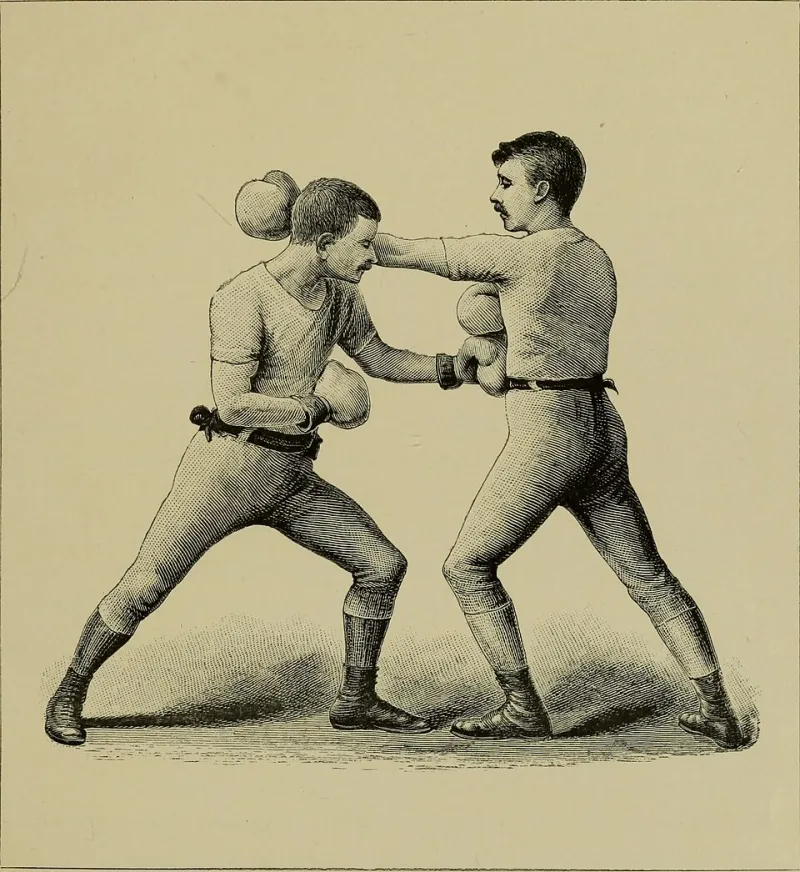
Photo: Internet Archive Book Images, No restrictions, via Wikimedia Commons
Fencing gear does not ask for much. It asks for a little attention before the problem becomes a repair bill. That is especially true in Houston, where a weapon bag can spend a Saturday in a hot car, a glove can sit damp in a locker, and a mask can collect enough humidity to make Monday practice feel like a science experiment.
The good news: most of the maintenance that keeps a blade bout-ready takes five minutes. You do not need a dedicated armory, and you definitely do not need to baby your equipment. You just need a routine.
Start With the Blade, Not the Shiny Stuff
Pick up each weapon and look down the blade from guard to tip. You are checking for nicks, burrs, sharp bends, and rust. Small nicks near the tip are normal. Deep gouges or a blade that stays bent after a gentle flex are not. Set those aside for a coach or armorer to inspect.
Run a dry cloth along the steel. Houston humidity loves to leave fingerprints and light surface rust, especially if your bag lives near a garage wall or in the trunk between practices. A quick wipe after every session is cheaper than replacing blades early.
For foil and épée, check the wire along the blade. It should be secure, not flopping loose or taped in a way that hides damage. If the tape is peeling, replace it before practice rather than during a bout.
Tip Checks Are a Two-Minute Habit
Foil and épée tips take abuse. Before you zip the bag, press the tip gently and make sure it moves cleanly. Check the screws on the tip barrel. Loose screws are a common reason a weapon fails inspection or registers inconsistently on the strip.
You are not trying to become an armorer in your living room. You are looking for obvious issues: a missing screw, a cracked barrel, a tip that sticks, or a wire that has pulled free. If something looks wrong, label the weapon and ask for help at the club. Most Houston coaches would rather see a labeled problem weapon than watch it fail during a pool bout.
Saber is simpler in some ways, but not maintenance-free. Check the guard for dents and the blade for sharp edges or rust. Make sure the grip and pommel are tight. A saber that rattles is distracting, and a loose grip is a quick way to lose control.
Guards, Grips, and the Stuff You Forget
Give the guard a look. Dents happen, but a guard with a sharp edge or a loose socket is a problem. Check that the body cord socket is snug and that the grip screws are tight. If you use a French grip, make sure the pommel is not backing off. If you use a pistol grip, check for cracks near the screws.
This is also the moment to check your body cord. Straighten it, look for exposed wire, and make sure the plugs are not bent. A spare body cord is one of the best small investments a new fencer can make. It will not make you fence better, but it can save a tournament day.
Gloves and Masks Need Air, Not a Car Trunk
Gloves get sweaty. That is the job. The problem is what happens next. Do not leave a damp glove in a closed bag. Turn it inside out if the material allows, let it air dry, and keep it out of direct sun. If it starts to smell like a gym bag that lost a fight, wash it according to the manufacturer's instructions or replace it.
Masks need more respect. Wipe down the inside after practice, especially the padding and strap area. Let the mask dry in open air. Do not stack wet gear on top of it. Check the bib for tears, the mesh for dents, and the strap for fraying. A mask with a damaged strap or loose bib is not something to gamble with.
In Houston, the enemy is often the car. A mask left in a hot vehicle collects sweat and humidity, and a glove left in the same bag can turn into a petri dish. If you cannot take gear inside, at least open the bag and let it breathe when you get home.
The Five-Minute Pre-Practice Routine
Before you leave for the club, run this quick checklist:
- Unzip the bag and let the gear breathe for a minute.
- Wipe each blade with a dry cloth.
- Flex each blade gently and check for bends or nicks.
- Press each foil or épée tip and check the screws.
- Check the guard, grip, and body cord socket.
- Look at the glove for holes and the mask for strap or bib damage.
- Make sure you have two body cords, a spare tip screw or two if your weapon uses them, and a small roll of blade tape.
That is it. No spa music required.
What to Leave to the Club Armorer
There is a line between routine care and a repair project. Rewiring a foil, replacing a tip spring, fixing a broken socket, or straightening a badly bent blade are jobs for someone with the right tools and experience. Your job is to notice the problem early and speak up.
A quick note on the weapon bag helps, too. A piece of tape with “check tip” or “loose guard” written on it saves everyone time. Houston coaches see a lot of gear every week. A labeled weapon gets fixed faster than a mystery blade at the bottom of the bag.
Make It Part of the Ritual
The fencers who keep gear running longest are rarely the ones with the most expensive equipment. They are the ones who do small checks often. A wipe here, a screw check there, a glove turned out to dry. That is the whole armory.
Set a timer if you need to. Five minutes before practice, five minutes after. Your blade does not need a spa day. It just needs you to notice it before the strip does.